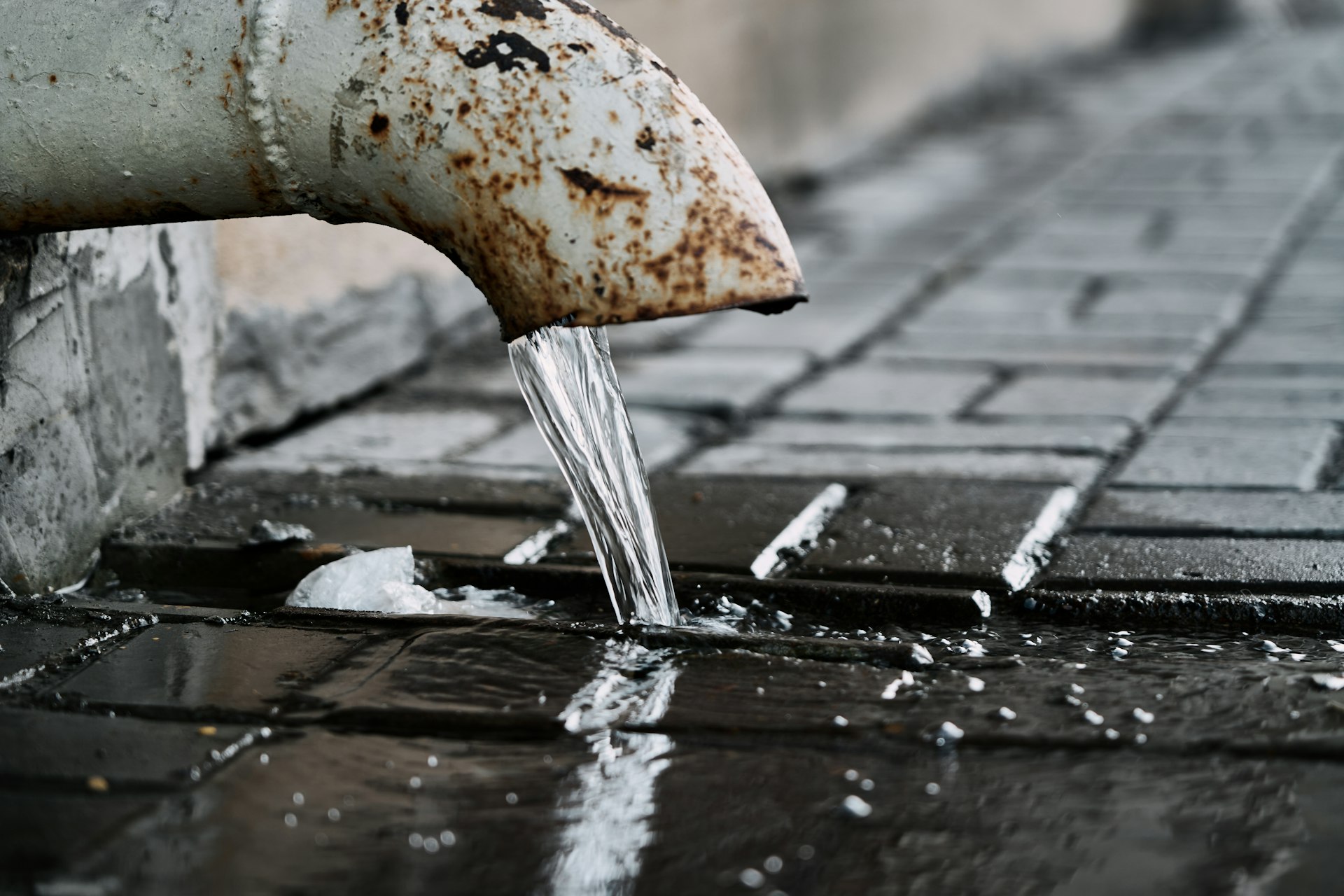
Cast Iron Drain Leak Cleanup
Sewage and gray water from cracked 1960s cast iron drains under the slab, cleaned up and the floors dried.
View service (833) 829-0018

Lake Highlands, Dallas TX
A sewage smell coming up through the bathroom floor, a hallway carpet that stays damp, water pushing in under the back door during a spring storm. One call reaches a local restoration company that can clean it up and dry the house.
Have your 5-digit ZIP code ready. A short prompt connects you to a local provider.
Water damage restoration in Lake Highlands covers stopping the source, extracting water, cleaning and disinfecting when drain or flood water is involved, drying slab floors, crawl spaces, drywall and cabinets with dehumidifiers and air movers while checking moisture daily, and rebuilding what was removed. Older homes here most often see cast iron drain failures, slab and crawl space leaks, storm water and aging supply lines.
The basics
Water damage restoration in Lake Highlands takes a wet, sometimes dirty house back to clean, dry and repaired. In homes built in the 1950s through 1970s, the water often comes from below: a cast iron drain line under the slab that cracked or rusted through, a supply leak under the floor, or a crawl space under a pier-and-beam section. Storms add water from above and from outside.
Pick the page that matches. Sewage or a drain smell from the floor is cast iron drain leak cleanup. Damp floors or a wet crawl space is slab and crawl space leaks. Water that came in during a storm is storm and flood water cleanup. A failed old pipe or valve is old pipe and fixture leaks. Drips from above are ceiling and roof leaks, and growth after a hidden leak is mold remediation.
Parts of the neighborhood differ: newer streets in Lake Highlands North and older homes near White Rock Creek.
Now
Clean water: close the main. Drain or sewage water: stop using every faucet, toilet, shower and appliance.
Stay out of water near outlets and cords. Keep kids and pets away from any drain or flood water.
Photos and video of the water and its source before anything is moved.
Call (833) 829-0018. On a slab, water spreads under flooring fast, and dirty water needs cleaning, not just drying.
In an older neighborhood, the type of water matters even more than usual, because drains and storm runoff are common sources.
Clean water (category 1) comes from a supply line, a water heater or a fresh roof leak. Carpet and drywall can often be dried in place.
Gray water (category 2) comes from a washer, dishwasher or sink drain, or clean water that has sat a day or two. More cleaning, more removal.
Black water (category 3) is sewage from a cracked cast iron drain or a backup, or storm water that ran in across the yard. Porous materials it touched are removed and everything else is disinfected. In Lake Highlands, a lot of calls fall into this group.
Restoration companies that cover northeast Dallas keep crews on call overnight and on weekends. For an address in 75238 or 75243, most callers get an arrival window right away and a visit the same day. During big storms, many homes call at once, so call as soon as you find water.
Tell them whether it is clean water, drain water or storm water. Sewage jobs need protective gear and different equipment, and it helps if the right truck comes the first time.
Sixty-year-old homes hide water in more places: under old tile set in mortar, in plaster or paneling, in crawl spaces under additions, inside cabinets that have been there since the house was built. Crews use moisture meters and thermal cameras to find it all, and they may need a plumber to camera the drains before drying can finish.
Services
Each page covers one kind of job in plain language, with questions to ask before work begins.
Sewage and gray water from cracked 1960s cast iron drains under the slab, cleaned up and the floors dried.
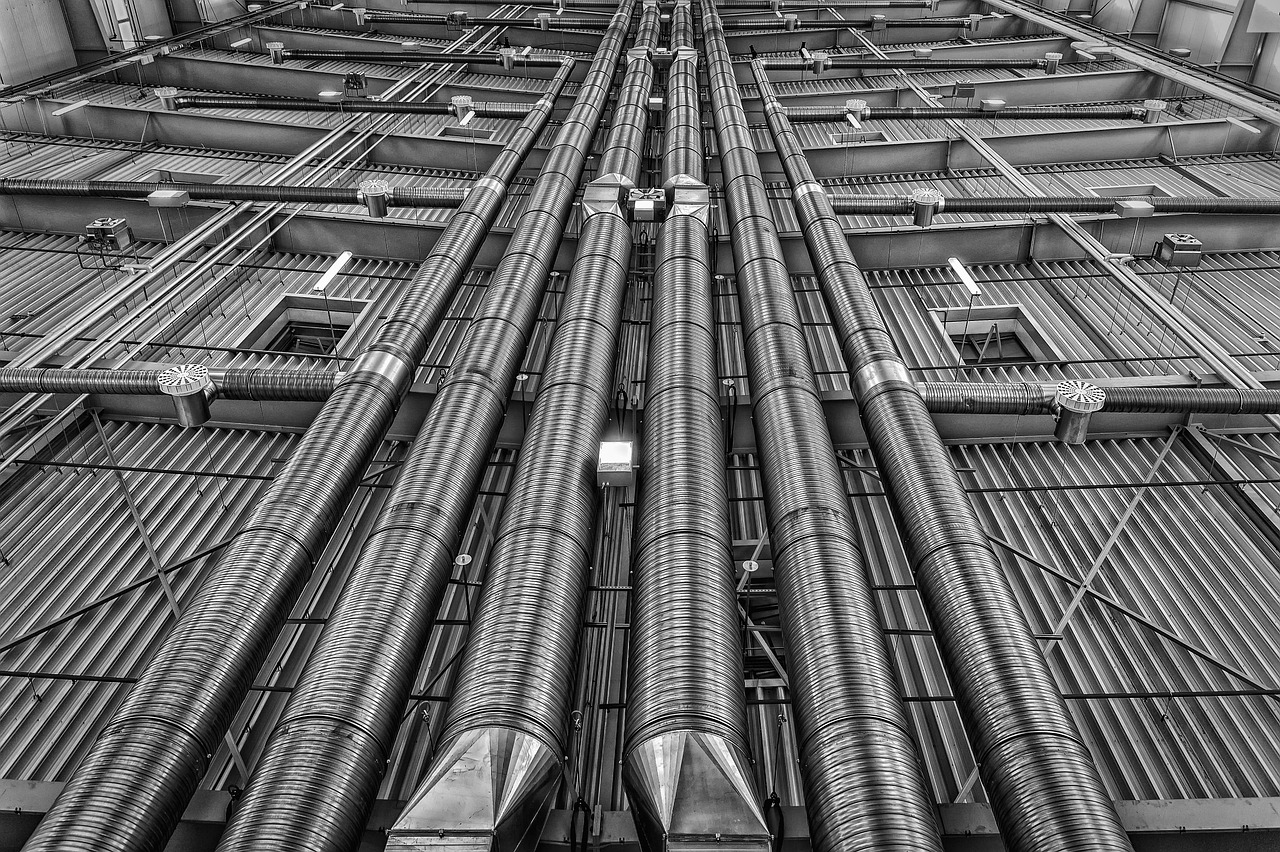
Supply line leaks under slab floors or in pier-and-beam crawl spaces, with flooring, subfloor and walls dried.

Water that came in during heavy storms, from overwhelmed yard drainage or rising creek water, removed and dried.
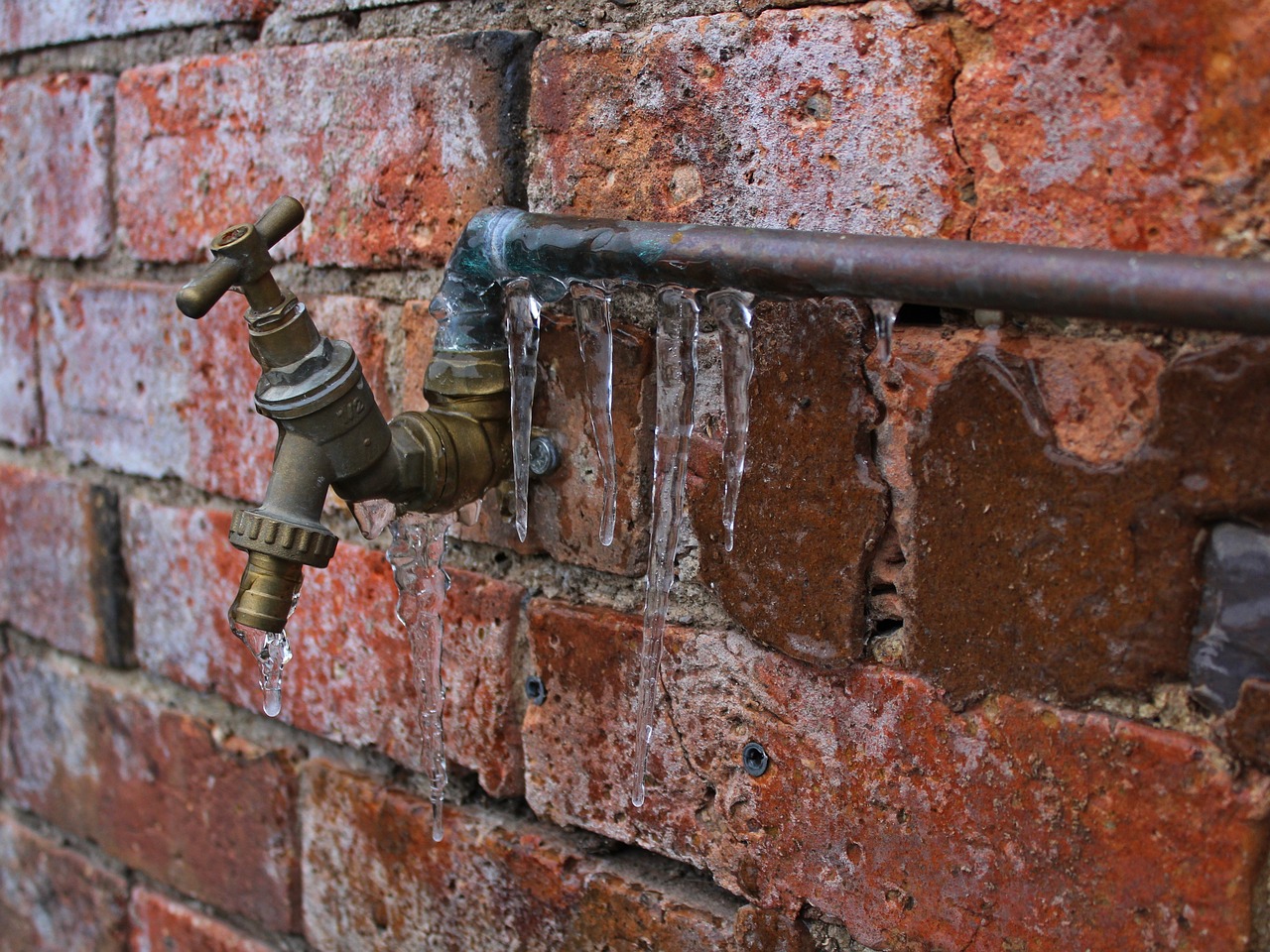
Galvanized lines, worn valves, toilet and sink supply failures in older homes, and the rooms they wet.

Rain through aging roofs and hail damage, and water from attic units, dried out of attics and ceilings.
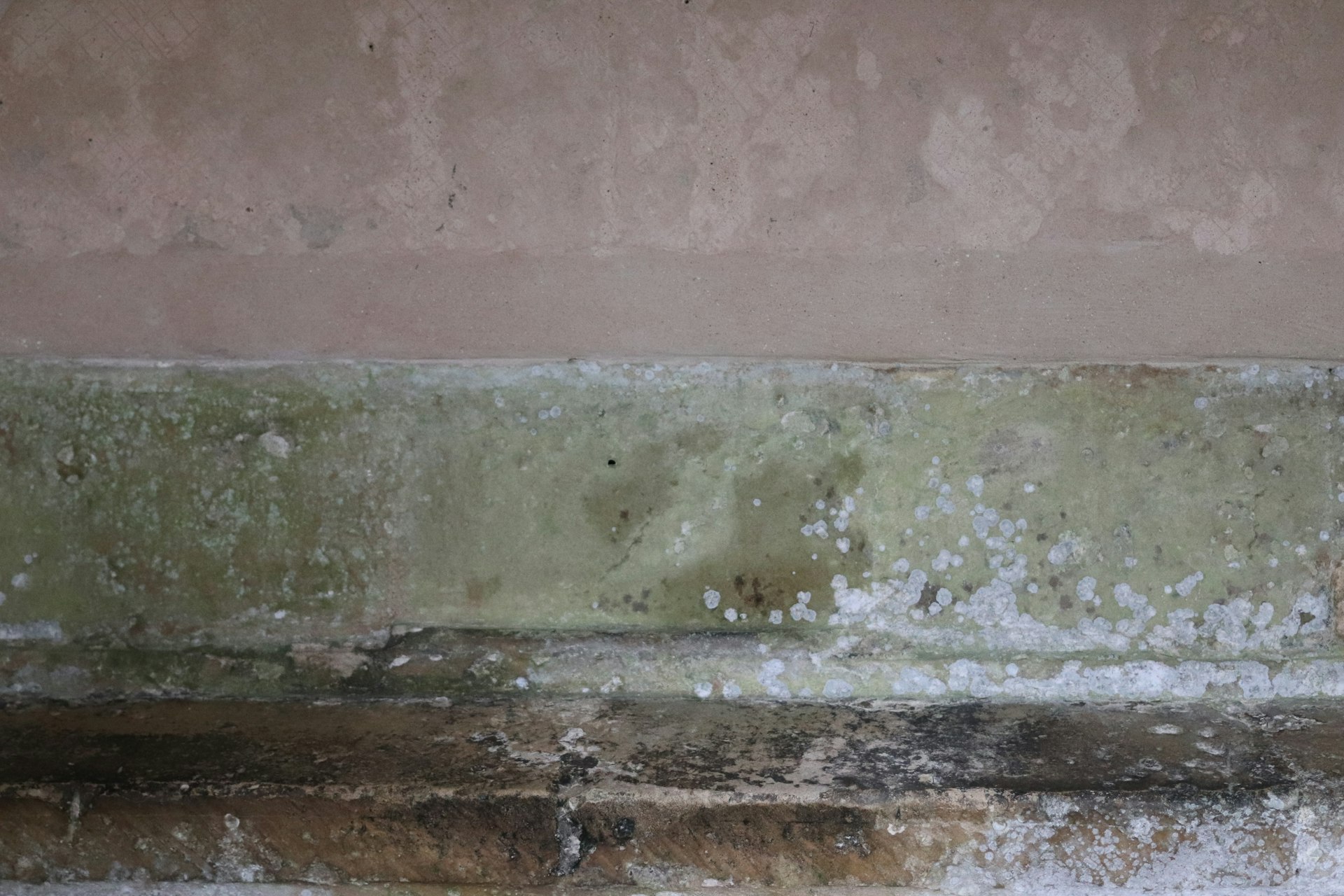
Mold after a hidden leak in an older home, removed with containment and Texas licensing for larger areas.
Texas licenses plumbers through the Texas State Board of Plumbing Examiners, and mold jobs over 25 contiguous square feet need licensed professionals under the TDLR mold program. Restoration companies are not licensed by the state, so ask about IICRC training and request a certificate of insurance. Ask for the plumber's license number and check it.
Lake Highlands takes its name from White Rock Lake just to the south. The area was farmland until after World War II, when Dallas annexed it and builders filled it with ranch houses through the 1950s, 1960s and into the 1970s. It is part of the city of Dallas, yet most of its children attend Richardson ISD, which gives the neighborhood a strong identity of its own. The Lake Highlands Town Center at Skillman and Walnut Hill and the DART Lake Highlands station brought newer apartments and townhomes in recent years.
The older housing explains the calls. Many homes sit on slabs with cast iron drain lines cast underneath, and cast iron rusts and cracks after sixty years. Some have pier-and-beam sections or additions with crawl spaces. Supply lines may be galvanized steel or copper that has been patched more than once. White Rock Creek and its branches run through the area in greenbelts, and heavy spring storms can overwhelm yards and low streets. Hail and wind round it out.
Water and sewer come from Dallas Water Utilities. The city handles the mains and the meter. The service line, the plumbing in and under the house and the private sewer line are the owner's.
A careful crew walks every wet room with a meter, checks inside cabinets and under sinks, looks into the crawl space if there is one, and asks what you know about the plumbing's history. They show you where the water went, explain what they want to dry and what must be removed and why, and leave a written plan and equipment list.
They return to read the meters, move equipment as areas dry and adjust if the numbers stall. You get photos and readings to send your adjuster.
Photograph before anything moves, then call your agent. Dallas restoration companies work with insurers every day and many bill directly. Ask on the first call. Know the common splits: sudden supply leaks are usually covered, drain backups often need an endorsement, flood from outside needs flood insurance, and the cost of replacing cast iron pipe is often excluded even when the water damage is covered.
After drying, the rebuild begins: drywall, baseboard, paint, flooring and sometimes cabinets. In older homes, matching original tile, paneling or trim can be tricky. Ask early whether the crew can match or whether a room will need new finishes throughout.
Calls also come from rental homes, apartment complexes along Audelia and Skillman and businesses around the Lake Highlands Town Center. The steps are the same, with more planning for tenants and business hours, and written updates for owners and managers.
Most of the expensive calls in Lake Highlands start small. A toilet supply line that has not been changed in twenty years, a main valve nobody has turned since the 1990s, a gutter full of oak leaves, a drain that has been slow for months. Replacing old supply lines and valves, cleaning gutters before spring storms, and having a plumber camera the drains if they are slow costs little compared to a sewage cleanup or a soaked kitchen.
If you are not sure where to start, test your main valve, look under every sink, and check the water heater label for its age. Those three checks catch a surprising number of problems.
Photos
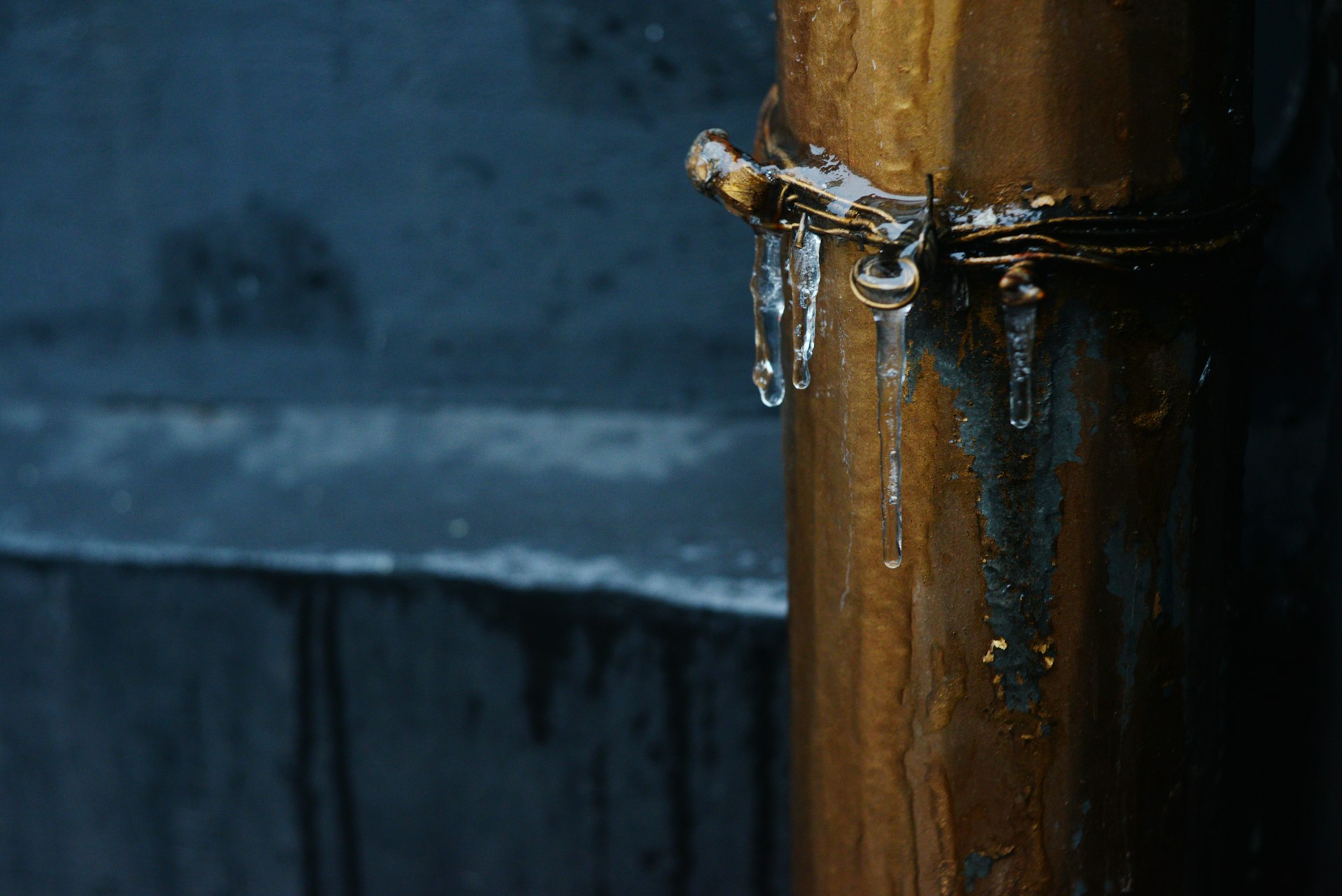
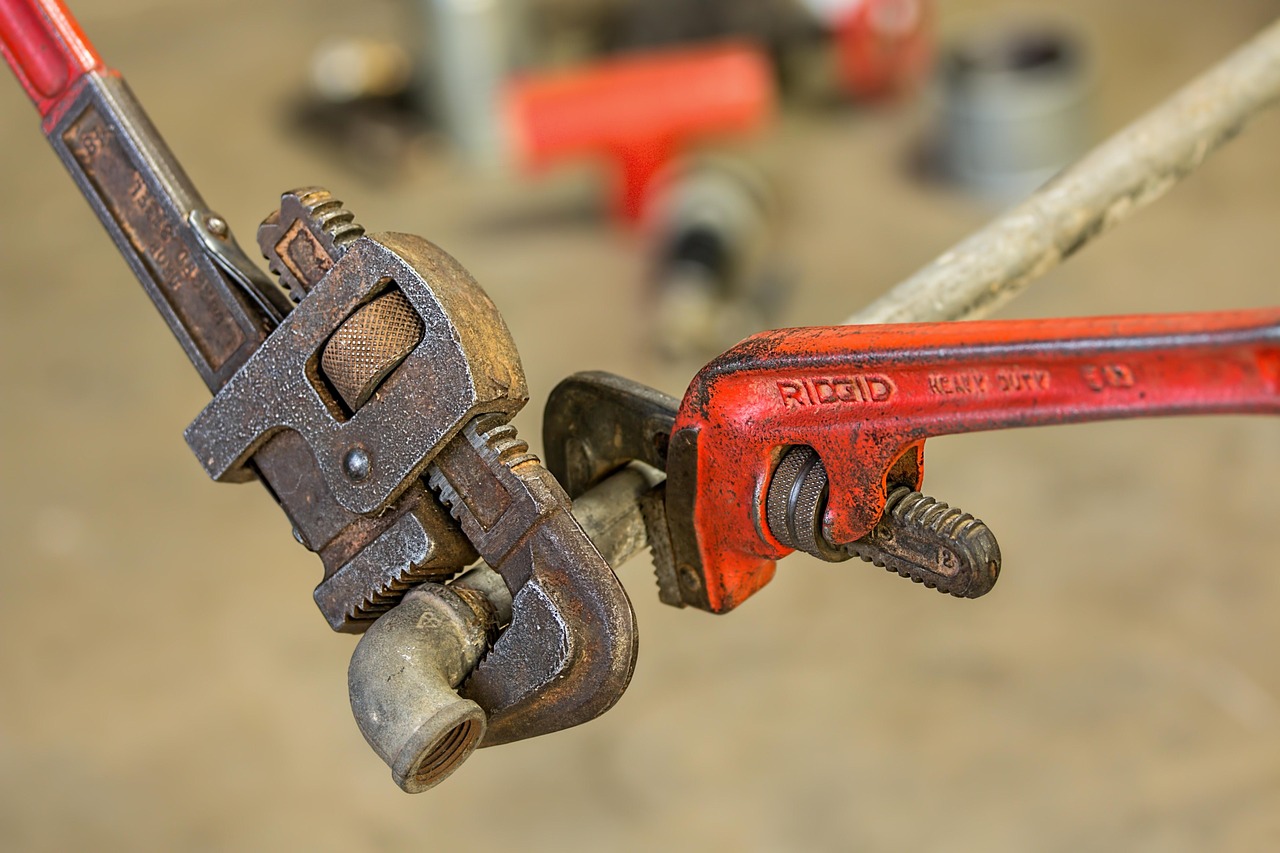

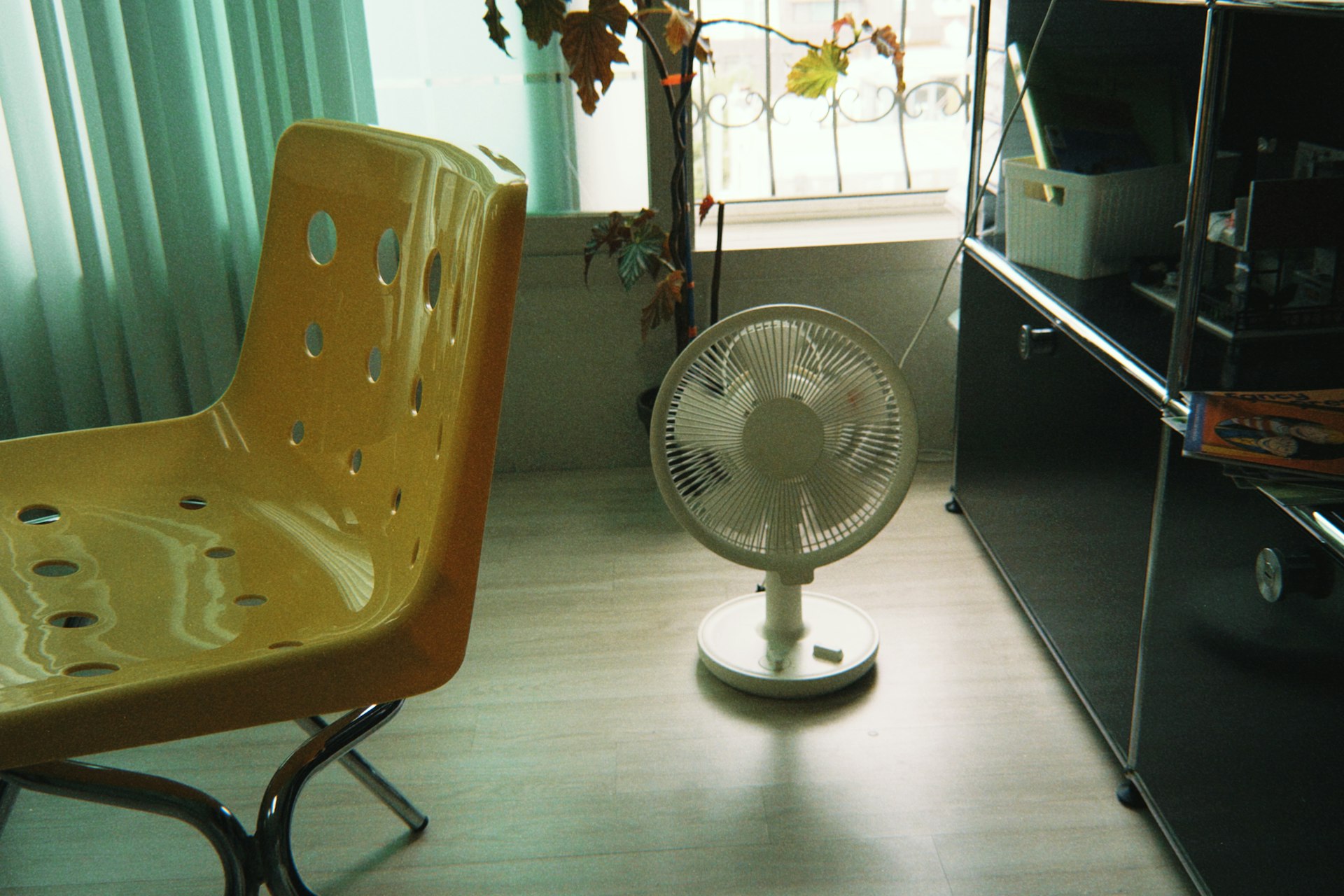
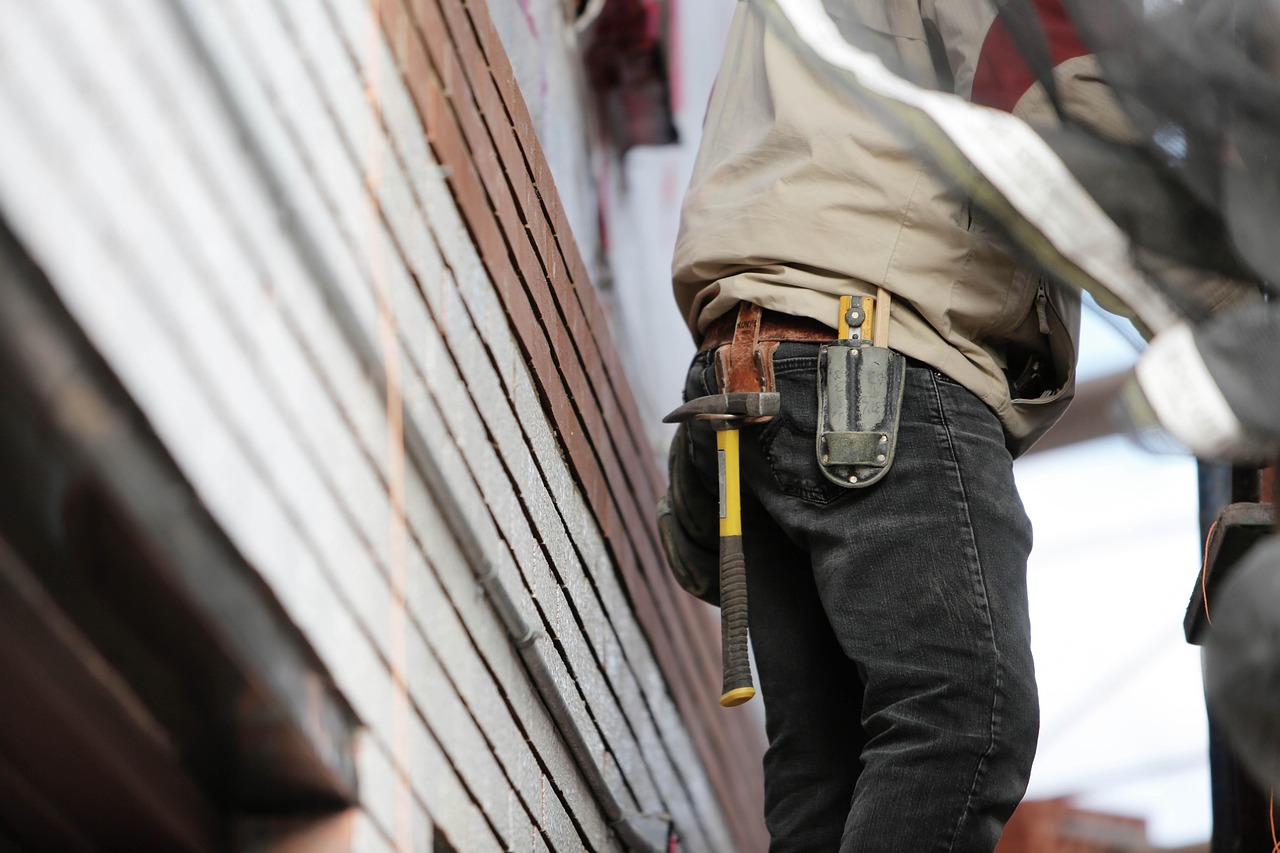
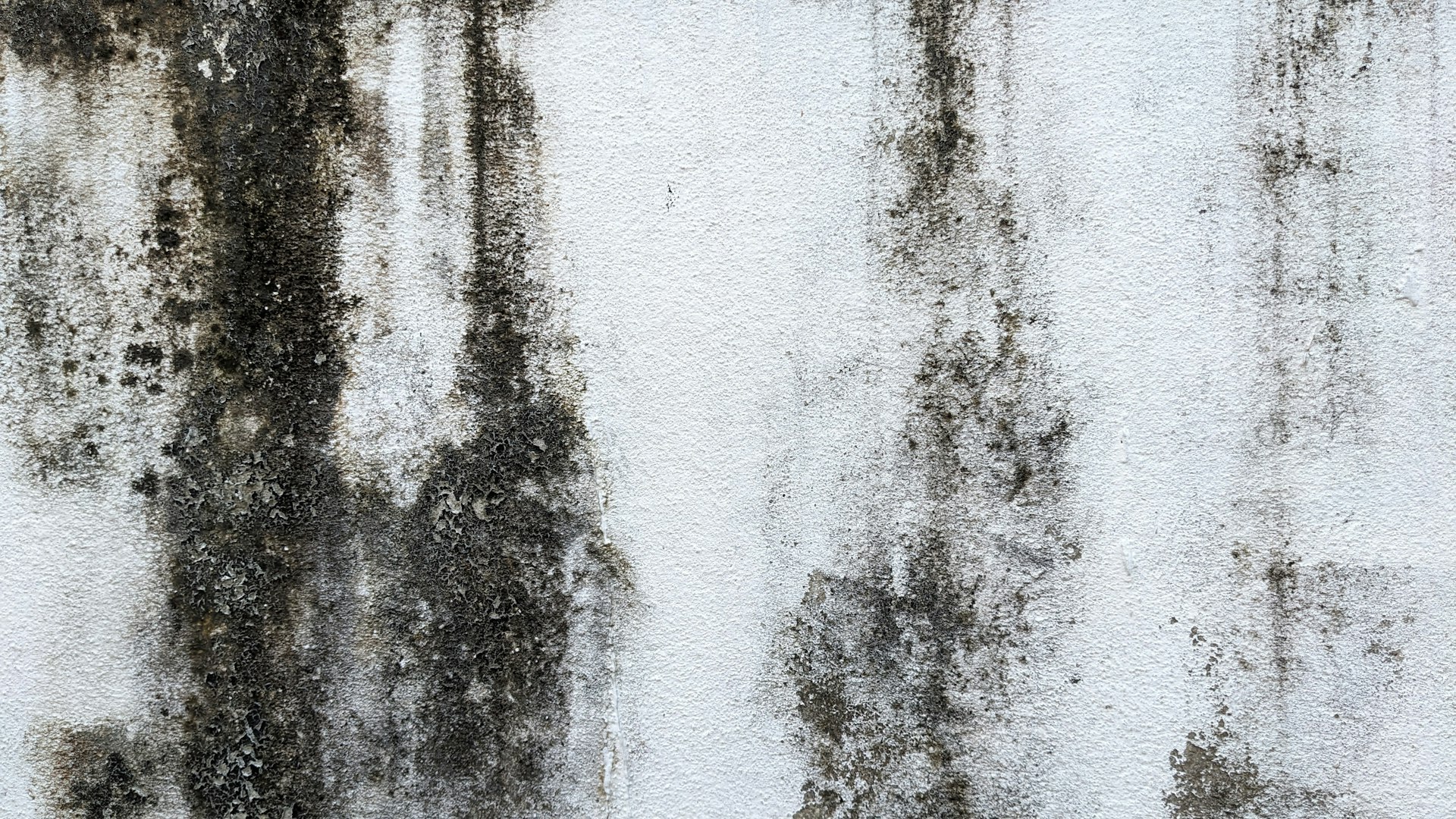
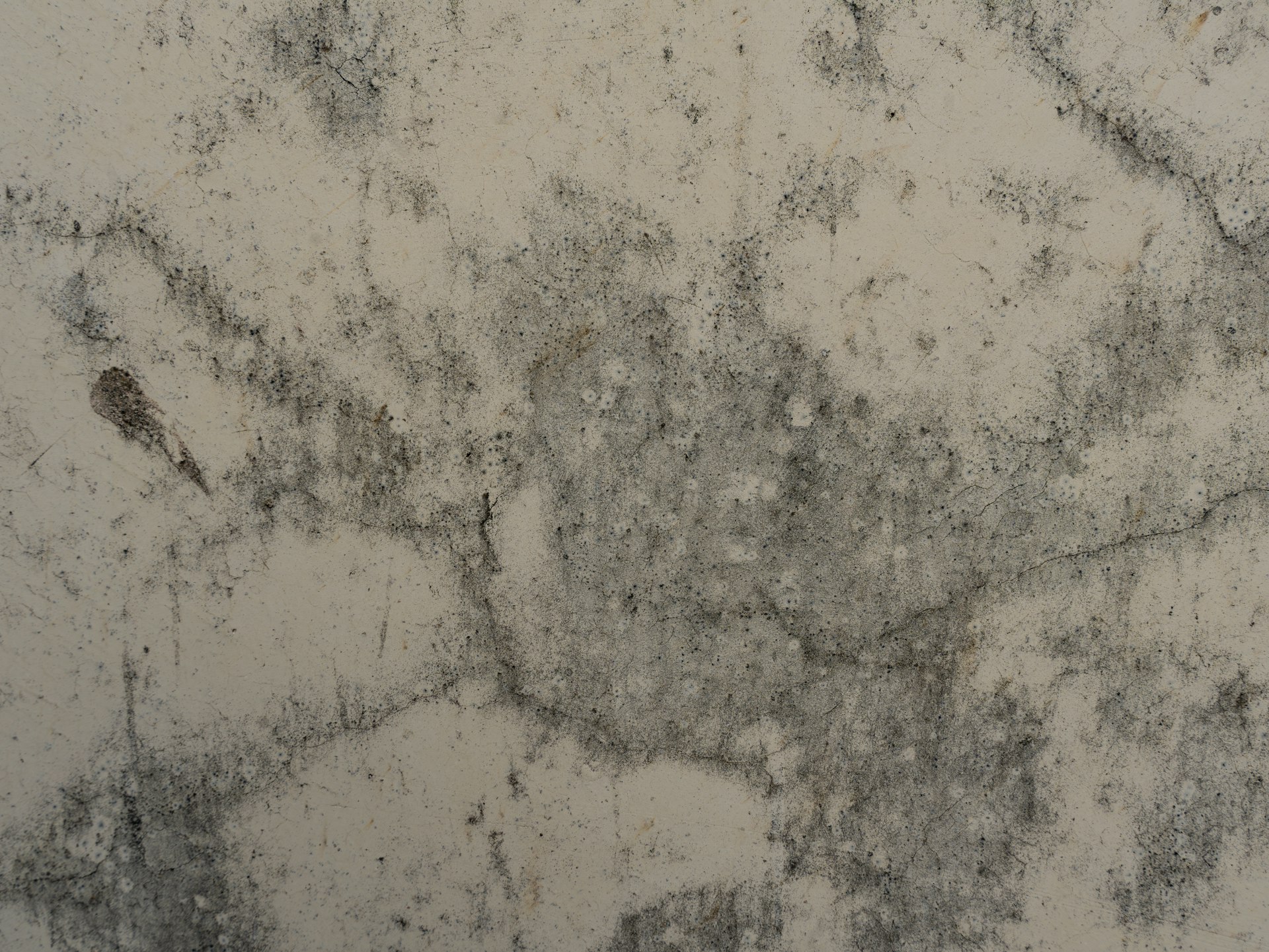
Example photos of work like what Lake Highlands crews do.
FAQ
For clean water, close the main valve at the meter box near the street or at the house. If water or sewage is coming up from a drain, stop using all water in the house. Stay away from wet outlets, take photos, and call.
In 1960s Lake Highlands homes, a cracked or rusted cast iron drain under the slab is a common cause. A plumber can camera-inspect and pressure test the drain lines.
Water that comes in from outside across the ground is flood, which standard policies exclude. Flood insurance through the NFIP is separate. Rain through a damaged roof is usually covered.
Usually three to five days for clean water. Drain or flood water takes longer because of cleaning and removal.
Get a crew moving
One call reaches a restoration company that knows Lake Highlands, from the streets near White Rock Creek to the neighborhoods up toward LBJ. They explain the plan and the cost before any work starts.
(833) 829-0018Have your 5-digit ZIP code ready. A short prompt connects you to a local provider.